Persistent Fever
Fever that does not settle or keeps returning needs proper evaluation.
From fever and infections to diabetes, hypertension, thyroid disorders, and long-term chronic disease management, our General Medicine team provides accurate diagnosis, evidence-based treatment, and preventive healthcare for patients of all ages.
When to Consult
A general physician is often the first point of care for symptoms that need careful diagnosis, timely testing, and coordinated treatment.
Fever that does not settle or keeps returning needs proper evaluation.
High or fluctuating sugar levels need ongoing medical guidance.
Repeated high readings should be assessed before complications develop.
Recurring infections may indicate immune, lifestyle, or chronic health issues.
Weight changes, fatigue, mood shifts, or palpitations may need thyroid testing.
Persistent tiredness can be linked to anemia, infection, thyroid, or diabetes.
Acidity, loose motions, pain, or vomiting may need medical assessment.
Sudden gain or loss should be evaluated with clinical and lab support.
Conditions We Manage
General Medicine connects day-to-day symptoms with the right tests, treatment plans, specialist referrals, and long-term monitoring.
Evaluation and treatment for viral, bacterial, and seasonal infections.
Blood sugar monitoring, medication review, and complication prevention.
Blood pressure control and risk reduction for heart, kidney, and brain health.
Assessment and follow-up for thyroid-related symptoms and reports.
Medical support for stable respiratory conditions and recurring symptoms.
Care for flu-like illness, dengue-like symptoms, cough, cold, and weakness.
Initial medical care for acidity, vomiting, diarrhea, and abdominal complaints.
Evaluation of jaundice, abnormal liver tests, and related medical concerns.
Care planning for BP, sugar, weight, cholesterol, and activity-related risks.
Clinical guidance for weight-related metabolic and health concerns.
Screening and medical advice to detect risks before serious illness develops.
Medication review, chronic disease monitoring, and age-related medical care.
Our Approach
We combine careful consultation, diagnostic support, treatment planning, and follow-up so patients do not feel lost between symptoms, reports, and specialist decisions.
Symptoms, history, medicines, and risk factors are reviewed.
The doctor narrows likely causes and identifies warning signs.
Tests are advised through lab, imaging, cardiac, or pulmonary diagnostics.
Medicines, lifestyle guidance, and specialist referrals are coordinated.
Reports, symptoms, and response to treatment are reviewed.
Chronic conditions are tracked to reduce complications.

Preventive Health
Preventive care helps identify risks early, especially for diabetes, hypertension, thyroid disorders, cholesterol, obesity, and age-related health concerns.
Diagnostic Support
General Medicine works closely with diagnostic services so symptoms can be evaluated quickly and treatment can begin with better clinical clarity.
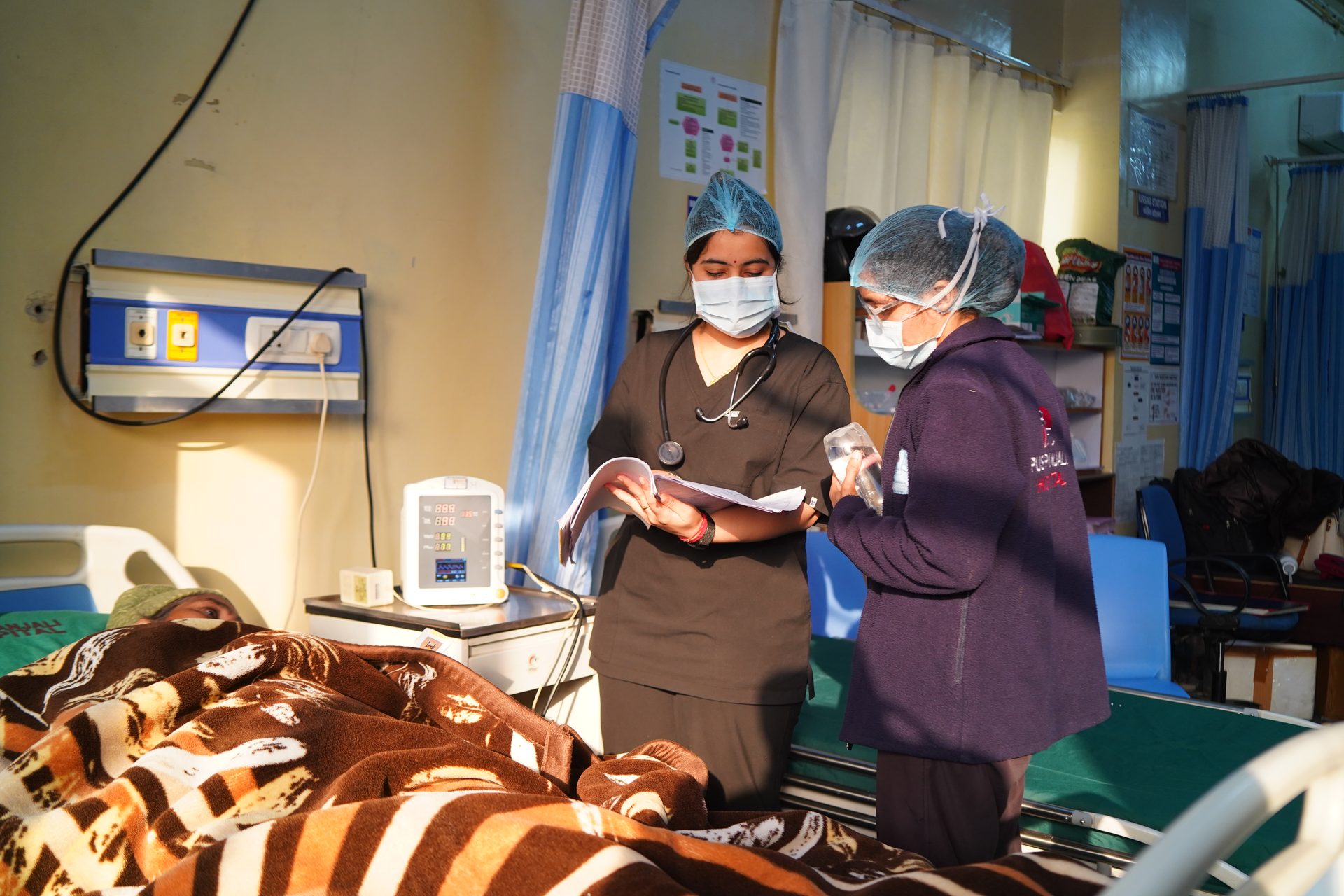
Patient Care Journey
Patients arrive with fever, weakness, BP, sugar, breathing, or digestive concerns.
The physician reviews history, symptoms, reports, medicines, and risk factors.
Lab, imaging, cardiac, or pulmonary investigations are advised when needed.
Reports and examination findings are connected to identify the likely cause.
Medicine, lifestyle guidance, admission, or specialist referral is planned.
Follow-up helps track improvement and manage long-term health risks.
Why Pushpanjali
Clinical evaluation for everyday illness and chronic disease needs.
Testing support helps guide faster and more accurate decisions.
Specialist departments are available when symptoms need deeper care.
Screening and early detection reduce long-term complication risk.
Structured follow-up for diabetes, BP, thyroid, and lifestyle diseases.
Urgent medical conditions can be escalated quickly inside the hospital.
ICU support is available for patients who become unstable.
Accessible medical care for families across Rewari and nearby regions.
Related Services
FAQs
Helpful answers for patients seeking care for fever, diabetes, blood pressure, thyroid, infections, and preventive health.
You should consult a General Medicine doctor for persistent fever, weakness, uncontrolled BP or sugar, infections, thyroid symptoms, unexplained weight changes, digestive complaints, or recurring health concerns.
Many patients can manage diabetes through outpatient care, medicines, diet, exercise, and regular monitoring. Hospitalization may be needed if sugar levels are very high, complications appear, or the patient is unstable.
Tests depend on symptoms and may include blood counts, sugar levels, thyroid profile, liver and kidney function, urine tests, ECG, X-Ray, ultrasound, CT, or other investigations.
Yes, regular monitoring helps detect uncontrolled hypertension early and lowers the risk of heart, kidney, brain, and eye complications.
Many adults benefit from an annual health checkup, but people with diabetes, hypertension, thyroid disease, obesity, or family history may need more frequent reviews.
Yes. General Medicine physicians can evaluate symptoms, advise thyroid testing, start or adjust medicines, and monitor treatment response over time.
Seek emergency care for severe breathlessness, chest pain, confusion, fainting, very high fever with deterioration, stroke-like symptoms, very high or low sugar, or sudden severe weakness.
Our General Medicine team can help you understand symptoms, review reports, plan treatment, and decide when specialist care is needed.