Persistent Abdominal Pain
Ongoing or severe abdominal pain may need urgent surgical evaluation.
Safe, precise and minimally invasive surgical care supported by modern operation theatres, experienced surgeons and comprehensive post-operative recovery services.
Surgical problems often begin as pain, swelling, fever, digestive symptoms or sudden deterioration. Timely consultation helps reduce risk and supports safer planning.
Ongoing or severe abdominal pain may need urgent surgical evaluation.
Repeated upper abdominal pain, nausea or food-related discomfort may indicate gallbladder disease.
A visible or painful swelling can worsen and should be assessed before complications develop.
Right lower abdominal pain with fever, vomiting or tenderness may require emergency care.
Painful swelling, pus or fever may need drainage, treatment and follow-up.
Acute abdomen, trauma wounds or sudden deterioration need prompt hospital evaluation.
Pushpanjali Hospital supports planned and emergency surgical care through experienced surgical consultation, modern OT access, diagnostics, recovery support and critical care backup.
When clinically suitable, laparoscopic surgery may reduce recovery burden while allowing precise surgical treatment through smaller incisions.
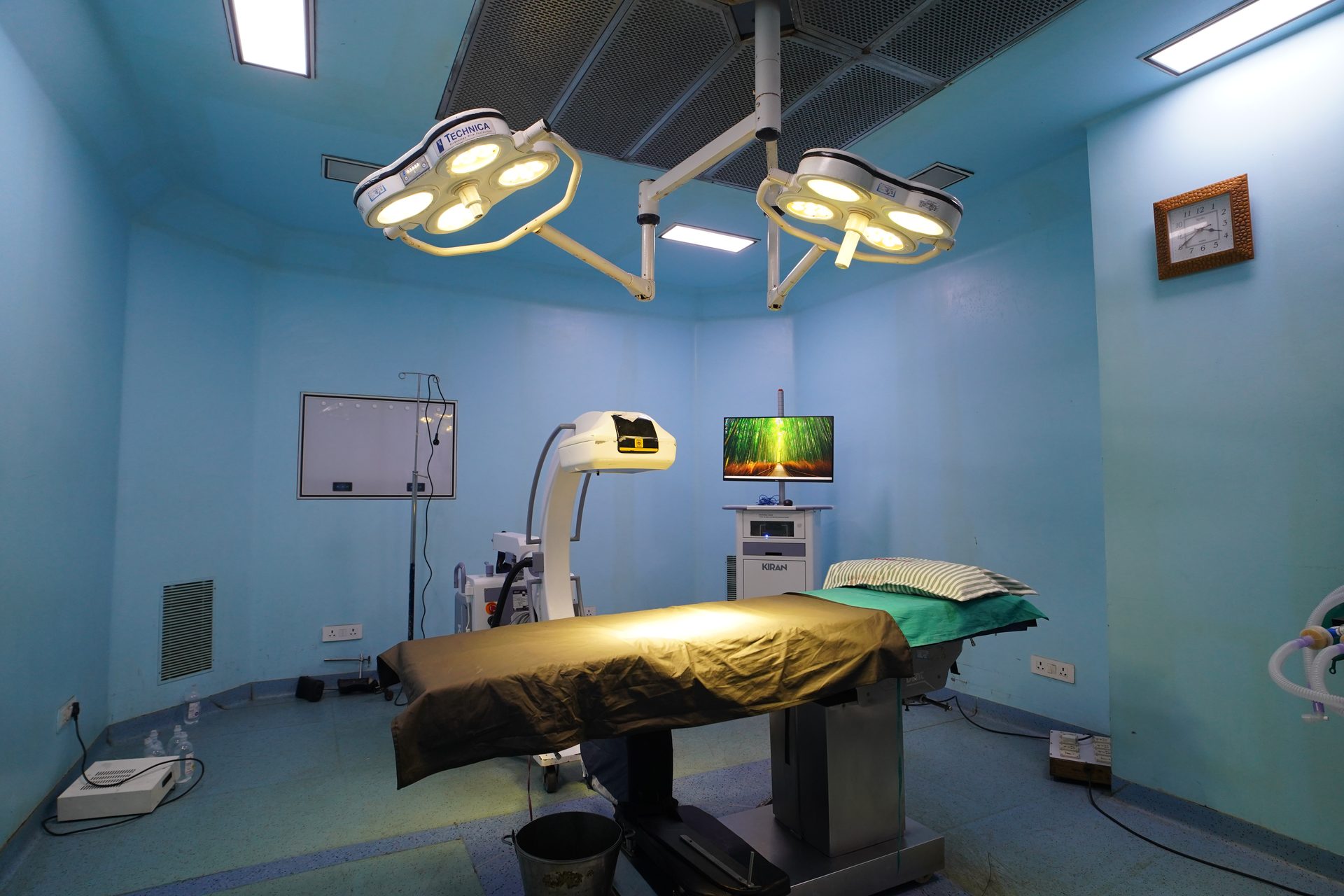
Surgical care is supported by hospital infrastructure designed for planned procedures, urgent surgery, monitoring and recovery.
Procedure-ready OT infrastructure for planned and urgent surgeries.
Post-operative and emergency backup for patients who need close monitoring.
Critical care support for complex or high-risk surgical cases.
Imaging, laboratory and diagnostic support for surgical decision-making.
Hospital support for selected urgent and planned surgical needs.
Round-the-clock support for acute surgical symptoms and trauma cases.
Surgical care should feel clear and controlled. Each step is built around diagnosis, planning, safety, recovery and follow-up.
Symptoms, examination and surgical history are reviewed.
Investigations help confirm the condition and urgency.
The surgical approach is discussed with the patient and family.
Procedure care is delivered with OT and anaesthesia support.
Monitoring, medicines and wound care support early healing.
Review visits support recovery, activity guidance and long-term care.

Dr. Pawan Yadav provides general and laparoscopic surgical care for patients requiring planned or emergency surgical treatment.
Book ConsultationPatients need more than an operation. They need timely diagnosis, transparent guidance, safe infrastructure and dependable recovery support.
Care guided by surgical expertise and hospital-based support.
Operation theatre infrastructure for planned and emergency procedures.
Support for acute abdomen, trauma and urgent surgical conditions.
Critical care access for high-risk or post-operative monitoring needs.
Modern surgical care delivered with practical guidance and patient focus.
Related Services
Digestive symptoms may need GI evaluation before surgical decisions.
Imaging, lab and endoscopic tests help plan safe procedures.
ICU backup supports emergency surgery and complex recovery needs.
Urinary and abdominal symptoms can overlap with surgical concerns.
Post-surgical recovery may need mobility and strengthening support.
Useful answers for patients considering appendix, hernia, gallbladder, laparoscopic or emergency surgical consultation.
Laparoscopic surgery is commonly used for many suitable conditions. Safety depends on diagnosis, patient health, surgical planning and the procedure required.
Recovery varies by procedure and patient condition, but many laparoscopic surgeries allow faster recovery than open surgery when clinically appropriate.
Surgery may be required for appendicitis, symptomatic hernia, gallbladder disease, abscesses, emergency abdomen or conditions that do not respond to non-surgical care.
Admission depends on the procedure, anaesthesia, urgency, recovery needs and medical condition. The surgeon will explain the expected plan before treatment.
Pushpanjali Hospital provides emergency support for acute surgical symptoms, trauma-related concerns and urgent abdomen conditions.
Some small hernias may be observed temporarily, but many symptomatic or enlarging hernias need surgical repair to reduce complication risk.
Right lower abdominal pain, fever, nausea, vomiting, loss of appetite and increasing tenderness should be evaluated quickly.
Whether you need evaluation for abdominal pain, hernia, gallbladder disease, appendix symptoms or a planned laparoscopic procedure, our surgical team is ready to guide you.