After Fracture
Guided mobility helps restore movement after immobilization or fixation.
Recovery is more than healing. Our rehabilitation-focused care helps reduce pain, restore movement, rebuild strength, and support functional independence after injury, illness, surgery, stroke, or critical care.
When Rehab Helps
Rehabilitation helps patients move from pain, stiffness, weakness or dependency toward safer movement and better daily function.
Guided mobility helps restore movement after immobilization or fixation.
Therapy supports walking, strength, confidence, and return to activity.
Posture, core control, and safe movement protect recovery.
Neuro rehabilitation supports balance, coordination, walking, and independence.
Rehabilitation helps rebuild strength after prolonged illness or monitoring.
Focused training helps restore strength, flexibility, and safer performance.
Conditions We Help Manage
Recovery support after fractures, joint replacement, arthritis, spine pain, and trauma-related mobility issues.
Movement, balance, coordination and functional support after stroke or neurological illness.
Structured strengthening and mobility work for sports injuries and return to activity.
Therapy after surgery to reduce stiffness, restore movement, and rebuild daily function.
Support for balance, fall prevention, weakness, walking confidence, and senior mobility.
Recovery Goals Framework
Every patient has a different starting point. The goal is to reduce pain, restore movement, improve strength, rebuild balance, and help patients return to meaningful daily activity.
Improve comfort through guided movement and therapy.
Regain joint range, flexibility, and safer mobility.
Build muscle control for recovery and daily function.
Support safer walking and reduce fall risk.
Focus on independence at home, work, and routine life.
Rehabilitation Services
Guided exercises to improve movement, strength, and endurance.
Hands-on techniques to support mobility and pain relief.
Stability work for safer walking and fall prevention.
Walking practice after injury, surgery, stroke, or weakness.
Support for transfers, stairs, assisted walking, and independence.
Postural awareness and alignment support for pain and movement.
Progressive strengthening for recovery, sport, and daily activities.
Recovery Journey
Movement, pain, strength, balance, and daily function are reviewed.
Recovery goals are set around the patient's condition and lifestyle.
Guided exercises and therapy build function progressively.
Strength, mobility, pain, and confidence are reviewed over time.
The focus shifts to safer daily activity and long-term independence.
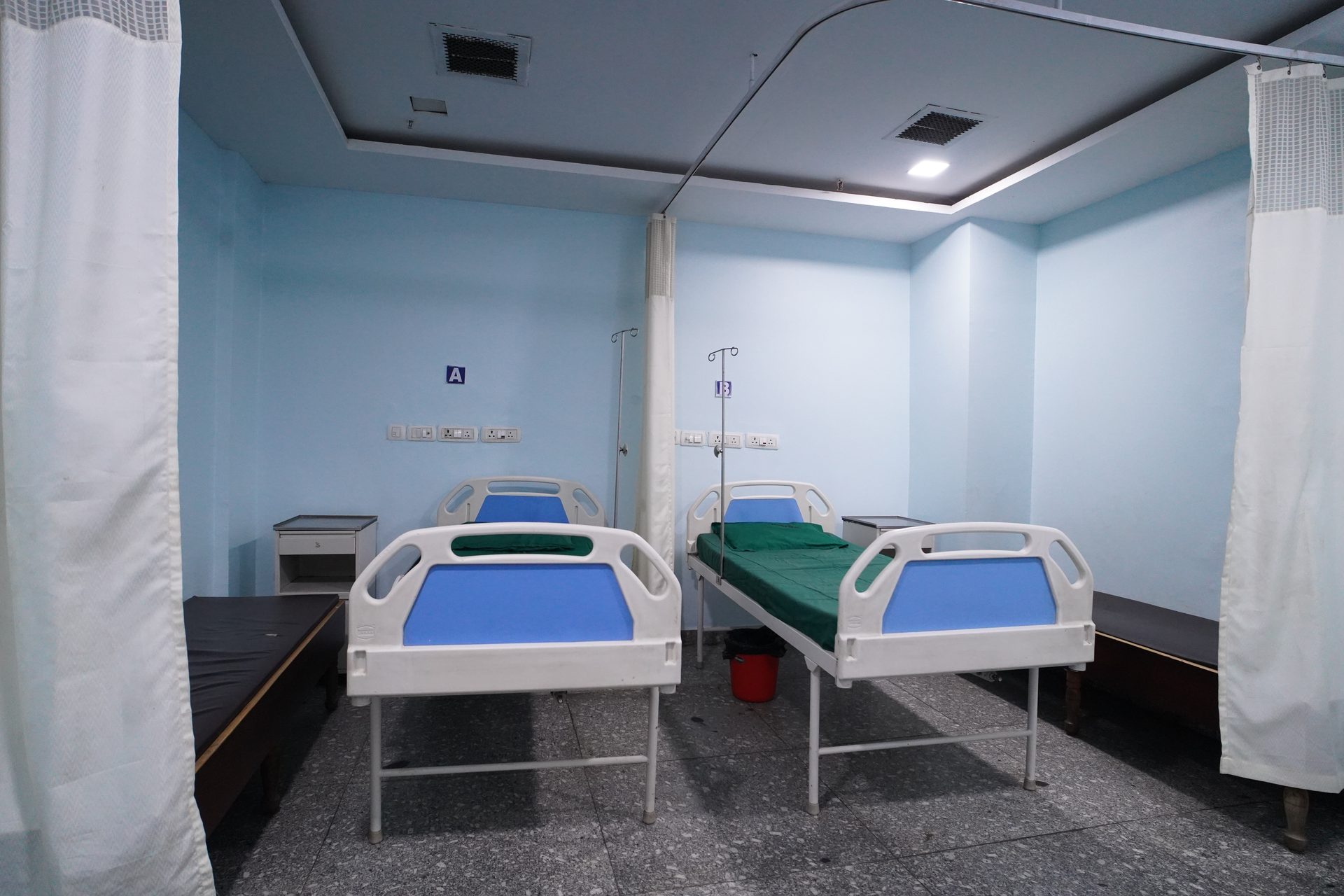
Critical Illness Recovery
Patients recovering from ICU care, stroke, trauma, or major surgery may experience weakness, reduced balance, limited endurance, pain, and fear of movement. Rehabilitation helps bridge the gap between medical stabilization and real-life recovery.
Why Pushpanjali
Rehabilitation connects with treating specialists and hospital care.
Support for fractures, joint replacement, spine pain, and trauma recovery.
Care pathways for stroke, nerve, balance, and movement concerns.
Support after critical illness, prolonged hospitalization, or weakness.
Movement and strengthening plans for injury recovery and return to activity.
Programs built around comfort, independence, and daily function.
Related Services
FAQs
Clear answers for patients planning recovery after injury, surgery, stroke, sports injury, ICU stay, or mobility loss.
Physiotherapy should begin when the treating doctor confirms it is safe. Early guided movement can reduce stiffness, improve strength, and support better recovery.
Yes. After fracture healing or fixation, physiotherapy can help restore joint movement, muscle strength, balance, and confidence in daily activities.
Rehabilitation is important after joint replacement because it helps improve mobility, walking, pain control, strength, and return to routine function.
Physiotherapy can support stroke recovery by improving movement, balance, walking ability, coordination, and functional independence with regular guided therapy.
Recovery time depends on the condition, age, strength, surgery type, neurological status, pain levels, and consistency with therapy.
Yes. Sports rehabilitation helps reduce pain, restore strength, improve flexibility, rebuild balance, and support safer return to activity.
After prolonged illness or ICU stay, rehabilitation can help rebuild strength, breathing capacity, mobility, balance, and confidence.
Whether recovery begins after injury, surgery, stroke, ICU stay or long-term pain, our team can help you take the next step toward safer movement and better daily function.