Before Surgery
Medical history, reports, medicines, allergies, airway, and risk factors are reviewed so anaesthesia can be planned safely.
Advanced anaesthesia services, perioperative monitoring, critical care support, and pain management for safer treatment outcomes.
Surgical Safety Role
Anaesthesiologists are surgical safety specialists who assess patients before procedures, monitor vital functions during surgery, reduce risk, support recovery, and help manage pain after treatment.
Medical history, reports, medicines, allergies, airway, and risk factors are reviewed so anaesthesia can be planned safely.
Anaesthesia depth, pain control, breathing, blood pressure, oxygen levels, and other vital signs are continuously monitored.
Recovery, pain relief, consciousness, breathing, and stability are monitored before the patient moves to the next stage of care.
Anaesthesia Services
Anaesthesia care is tailored to the surgery, patient condition, expected recovery, and safety needs of each case.
Whole-body anaesthesia support for selected surgical procedures.
Targeted numbness for selected limbs, areas, or procedures.
Lower body anaesthesia support for appropriate surgeries.
Pain control and anaesthesia support in suitable clinical situations.
Calm, monitored sedation for selected procedures and evaluations.
Airway, ventilator, and monitoring support for critical care patients.
Risk planning for patients with complex medical conditions.
Rapid anaesthesia planning for trauma and urgent surgical needs.
Clinical Pain Service
Pain management is more than symptom relief. It helps patients sleep, move, recover, participate in rehabilitation, and return to daily life with greater confidence.
Evaluation and treatment planning for persistent lower back discomfort.
Support for neck stiffness, radiating pain, and chronic discomfort.
Pain care linked with orthopaedic and rehabilitation pathways.
Clinical assessment for burning, shooting, tingling, or nerve-related pain.
Compassionate support for complex and persistent cancer-related pain.
Planned pain control to support safer recovery after procedures.
Long-term pain assessment with a clinical, function-focused approach.
Safety Framework
Safe anaesthesia begins before the operation and continues through monitoring, recovery, and pain control. Each step reduces avoidable risk and supports better treatment outcomes.
Review reports, risks, allergies, medicines, airway, and medical history.
Select the safest technique based on surgery and patient condition.
Track vital functions throughout the procedure.
Support pain control, breathing, alertness, and post-operative stability.
Critical Support
Anaesthesiology teams play a vital role in ICU care, ventilator support, emergency procedures, trauma response, airway support, and stabilization of critically ill patients.
Care Journey
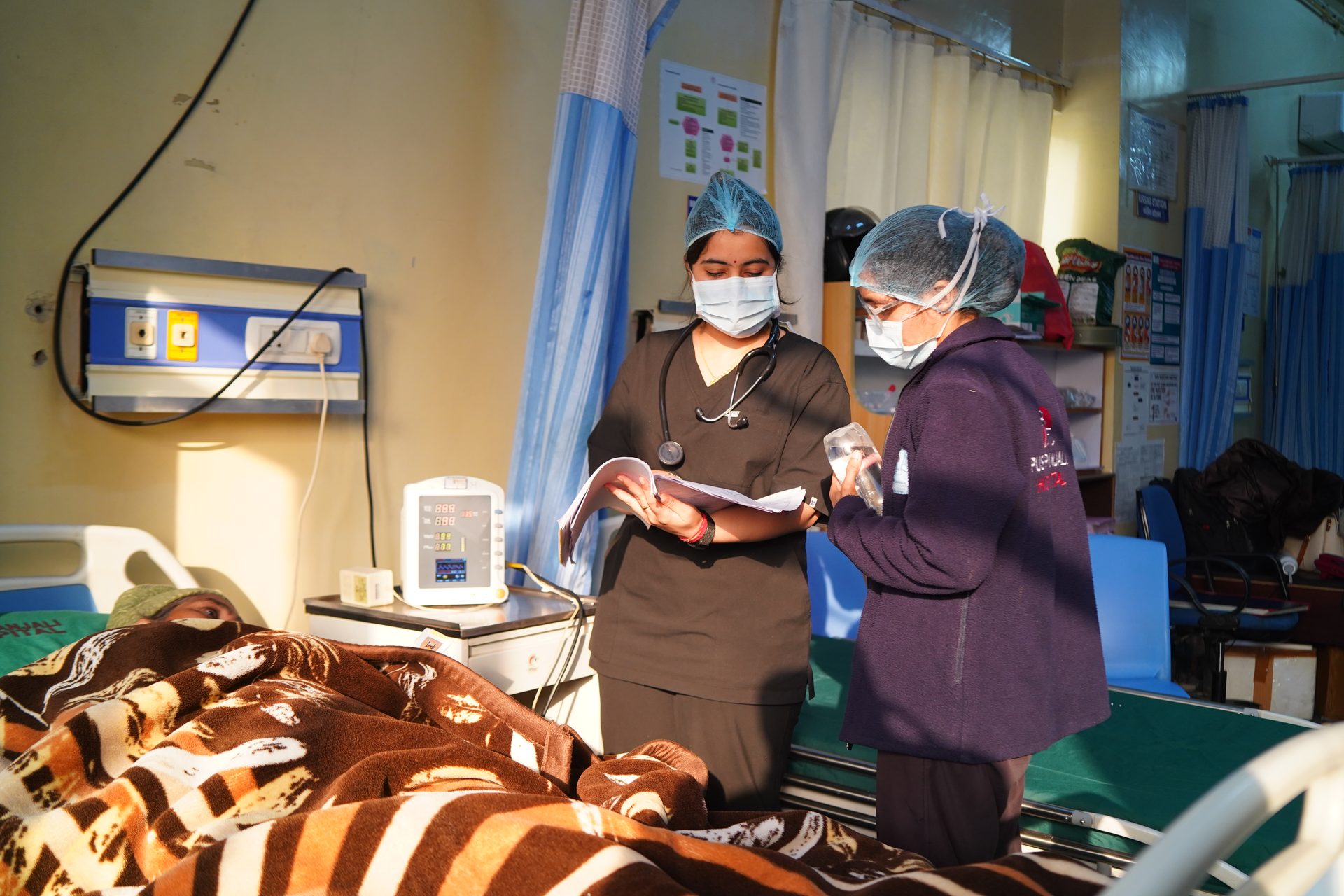
From assessment to recovery, anaesthesia care stays focused on safety, comfort, monitoring, and clear coordination with the surgical team.
Health history, reports, procedure needs, and risk factors are reviewed.
The anaesthesia approach is selected and explained before the procedure.
Anaesthesia is delivered with continuous support and clinical vigilance.
Vital signs, pain, oxygenation, and stability are closely followed.
Pain relief and recovery monitoring support a safer transition after surgery.
Why Pushpanjali
Anaesthesia care is connected with surgical and operation theatre readiness.
ICU support is available for complex or high-risk recovery needs.
Support for trauma, urgent surgery, airway, and emergency procedures.
Post-operative and chronic pain care supports comfort and recovery.
Pre-operative checks help plan safer anaesthesia decisions.
Patients are observed after procedures for pain, breathing, and stability.
Anaesthesia care connects with surgery, orthopaedics, neurosurgery, ICU, and medicine.
Care is planned around procedure type, medical condition, age, and recovery goals.
Related Services
FAQs
Clear answers for surgical patients, high-risk patients, and people seeking help for persistent pain.
Anaesthesia is planned after assessment of health history, reports, procedure type, and risk factors. Continuous monitoring during surgery helps improve safety.
Some surgeries require general anaesthesia, while others may use spinal, epidural, regional anaesthesia, or sedation. The anaesthesiologist explains the safest option.
Spinal anaesthesia numbs the lower part of the body for selected procedures while the patient may remain awake or lightly sedated.
Regional anaesthesia numbs a specific area or limb and may be used for selected orthopaedic, surgical, or pain-control procedures.
Anaesthesiology teams can support clinical pain management for selected back pain, neck pain, nerve pain, joint pain, cancer pain, and chronic pain syndromes.
Before surgery, the anaesthesia team reviews medical history, medicines, allergies, reports, airway, risk factors, and the planned procedure.
Post-operative pain control may include medicines, regional techniques, monitoring, nursing support, and recovery planning based on the surgery and patient condition.
Our anaesthesia and pain management support helps patients prepare for safer surgery, recover with better comfort, and seek clinical help for persistent pain concerns.